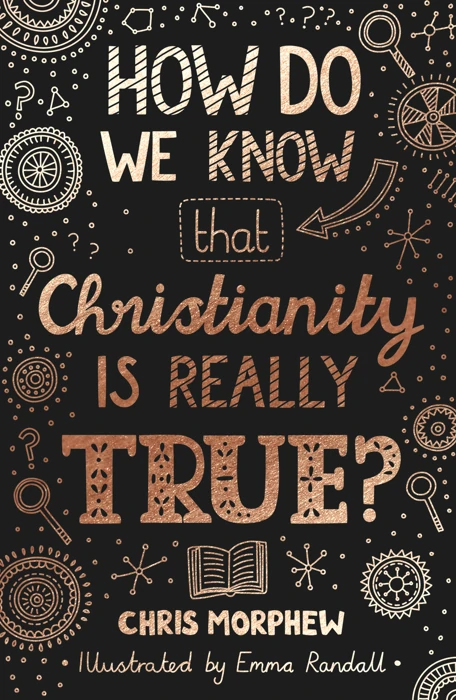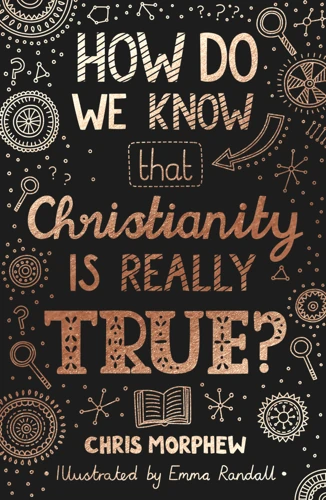
Sooner or later, kids have big questions about God, life, faith, and the Bible, especially when their friends start asking them about what they believe. A common one is: How do we know Christianity is really true?
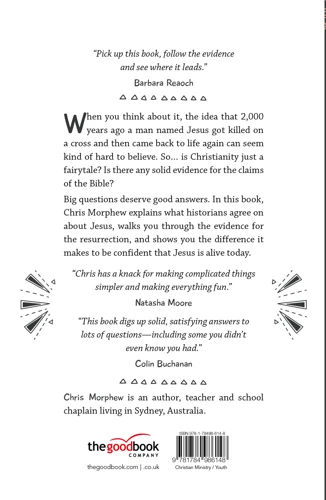
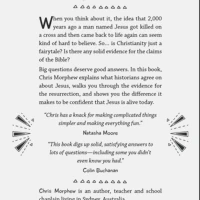
Big questions deserve good answers. This pithy, fun, and fast-paced book looks at what the Bible says to help 9-13s think through this big question for themselves.
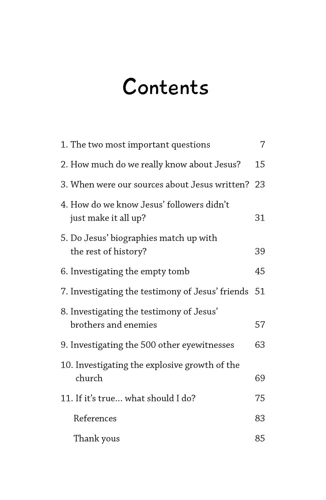
It explains why we can trust the Gospels as real historical documents and walks through the evidence for Jesus' resurrection. Lively stories and illustrations make this book easy for this age group to engage with.
Christian studies teacher and school chaplain Chris Morphew has been answering big questions from kids in his classroom for over a decade. He has written over 20 books for children and youth, including Best News Ever, a 100-day devotional for tweens.
Emma Randall has illustrated many books, including the Training Young Hearts series.
How Do We Know Christianity Is Really True? is part of the Big Questions series: fun and fast-paced books walking kids aged 9-13 through what the Bible says about some of the big questions of life, and helping them to grow in confident and considered faith.
(Review written for 'How Do We Know That Christianity Is Really True?')
How Do We Know That Christianity Is Really True? is a short, engaging book written for young readers, especially those aged 9-13. Chris Morphew tackles a big question that many children and teenagers ask: Is Christianity actually true? Rather than simply telling readers what to believe, he explores historical evidence and encourages them to think for themselves.
One of the book's greatest strengths is its easy-to-understand writing style. Morphew explains complex ideas, such as the reliability of the Gospels and ...the evidence for Jesus' resurrection, in a way that is clear, fun, and accessible for younger readers. The chapters are short and engaging, making the book easy to read.
The book focuses heavily on historical evidence, including eyewitness accounts, the empty tomb, and the growth of the early Christian church. Morphew argues that these pieces of evidence support the claim that Jesus really rose from the dead. He then encourages readers to consider what this means for their own lives.
A minor weakness is that the book presents a Christian perspective and is aimed at strengthening faith rather than providing an in-depth examination of all viewpoints. Readers looking for a detailed debate between different beliefs may find it somewhat one-sided. However, for its intended audience, it provides a clear and thoughtful introduction to Christian apologetics.
(Review written for 'How Do We Know That Christianity Is Really True?')
I bought this book to read to my 7 & 9 year old daughters, as they have recently had friends ask them about God, and also friends telling them that God isn't true.
This book is fantastic - even as an adult I learnt so much. It is written in really clear, child friendly language, and both my girls are really able to understand and engage with it. It would make a great gift too for any cynical friends of theirs who are open minded enough to read it.
(Review written for 'How Do We Know That Christianity Is Really True?')
Really engaging and tackle the difficult questions, thoughtful children have. Would also be happy recommending the series to adult young Christians.