Christianity Explored Ministries' Rico Tice talks about how to make sure the church, not simply the pastor, is involved with running and leading a CE course.
For more information, see the CE Ministries Website. For materials, head to The Good Book Company in the UK or the US. ). And take a look at CE's evangelistic website.
Tomorrow, Rico talks to Brad about how CE can be great for your whole church.
Missed the previous clips? See Rico on what CE is, how it was developed, and what sets it apart from other courses here; and on how he'd love to see the new edition of the course being used by churches.

From this Thursday, we're offering an amazing, not-to-be-missed deal on CE Handbooks. Usually, they cost just £3, or $4.99—but until September 10th, you'll be able to get them for just £1.50/$2.50!
To take advantage of this one-off deal, you'll need to quote a unique code when you order. That code will appear on the blog on Thursday—you can't find it anywhere else!
So if you're thinking of running CE in the next few months, now would be a great time to buy your handbooks. If you're ordering large numbers of handbooks and DVDs, do ring us either in the States or the UK to see what discount we can offer you.
Alexa Burstow lives in south-west London and is married with two young children. She decided, with no previous experience, to run a CE course with a couple of friends in her lounge.
Why did you decide to run a CE course in your house? Why not just take them to the course your church was running?
When you’ve got young children, or busy jobs, it’s really hard to do stuff in the evening. This could be timed to be good for them—we met up at 10am on Wednesday mornings, but a couple of times we just changed the time to fit in with their schedules.
And a course at a church is much more formal. This was more relaxed, in a place they knew, with a person leading it they were already friends with. And it could be timed to be good for them. They just wouldn’t have gone for something with someone they didn’t know.
Who did you invite?
I invited three people. One didn’t come, but two said yes. They were both neighbours I’d got to know—one has a child in the same class at school as my daughter. They’d both been to a couple of events at church like carols.
What was good about the course?
They had a chance to interact and ask questions about whatever they wanted. And I knew that we were looking at Jesus, and about what the gospel is, whereas often when I have chats about my faith with my friends, I find it really hard to actually talk about what the heart of Christianity is. With CE, we got to the core of it very quickly each week.
How much experience did you have of doing this kind of thing beforehand?... continue reading
More from Rico on the CE course, focussing on the new DVD and how he would love to see the course being used.
For more information, see the CE Ministries Website. For materials, head to The Good Book Company in the UK or the US. ). And take a look at CE's evangelistic website.
Tomorrow, Rico talks to Brad about who can lead a CE course, and how pastors can motivate and train new leaders.
More? See Rico on what CE is, how it was developed, and what sets it apart from other courses.

Since Village Seven Presbyterian Church in Colorado has been running Christianity Explored as part of their evangelistic strategy, they’ve found it a great way to communicate the gospel message with people who would never come to church.
“As an outreach, it’s a great place to invite people who are looking for some answers, but who may not be ready to sit in a pew,” says David, who helps run the course.
“One young man had come along and was very much searching but he didn’t want any part of church. As he came into the gym and sat down, he said, ‘Oh, I’m in a school—great!’
“We want people to find out for their own is Jesus a lunatic, a liar, or is he the Lord? And we’ve seen well over two dozen people come to a full confession of faith through Christianity Explored.”
Village Seven hold CE twice a year, on Sunday evenings at 5.30pm. To hear more from David and his wife, and to listen to a wonderful testimony from a couple who became Christians through going on a course, visit the church’s website.
You’ll also find this video on the CE website.
This is a great video to show if you’re advertising your course at a church service, because it gives people an idea of what they would be coming to.
Brad Byrd, TGBC's US Ministry Director, talks to Rico Tice about the Christianity Explored course.
For more information, see the CE Ministries Website. For materials, head to The Good Book Company in the UK or the US. ). And take a look at CE's evangelistic website.
Tomorrow, Rico talks to Brad about how to use the course materials, and how CE can work in your front room as well as your church building.
What does Christianity Explored mean to you?
It might be the way you came to faith in Christ (it has been for many thousands worldwide). It might be something you’ve taken a friend along to at your church… or you’ve led a course… or you’ve seen the seeker-friendly website.
Or it might be that your church runs a different course, or no course at all… or that you've heard of CE, but don't know how it works, or why it works.
Whoever you are, there’ll be something interesting and helpful for you on the blog this week.
Each day, we’ll feature clips from a recent interview with Rico Tice. Rico is part of the team who have developed CE, and in partnership with The Good Book Company recently launched the updated and upgraded Third Edition—hear him talk about:
We’ll also be featuring ordinary Christians who’ve been running CE in a variety of different settings, with a great range of types of people. One of the beauties of CE is its simplicity and ease of use—hopefully hearing from how it’s being used will spark some ideas for you and your church.
Last (but not least!) we’ll be featuring a fantastic deal on CE course materials later in the week. This deal is not to be missed, and you’ll find it only on the blog.
So make sure you keep coming back to The Good Book Blog all week, for videos, interviews and deals. And as you do that, we’d love to hear what you think—do use the comments area to give your views, make suggestions, and ask questions.

So you’re moving house. Off to college or uni. The time has come to join a new church family. You’ve been on the ‘net and printed out a list of congregations and got some recommendations from trusted friends. But what next? Once you’re in a strange church building how do you discern whether it will be a good place to settle?
Here are eight quick questions to help:
Of course, there’s no such thing as a perfect local church and it is unrealistic to expect that every congregation will do everything well. But if you answer most of the above with a ‘yes’ then the church is definitely one to visit again!
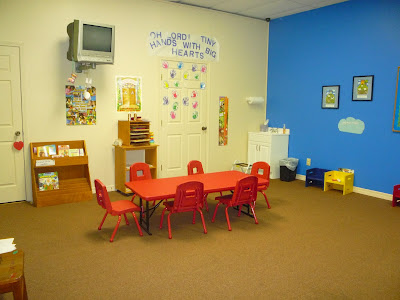
My church is small. In our under-18s work we have 6 children aged 1 to 14. One has special needs. And with our current resources we have no choice but to teach them together. It’s not an uncommon scenario. Many churches do it. And if you’re in one of them you’ll know how frustrating it is not to be able to teach in age-specific groups and how hard it is to help groups like this grow.
We tend to fall into some common traps:
But on our good days, we remember that there are better ways to teach multi-age groups. And here are 4 tips to help us: